
WGC attends food aid fly-in
The future of American food aid was the singular focus of a recent Washington, D.C., trip I took in partnership with U.S. Wheat Associates (USW). Over two days, I joined Dalton Henry, USW vice president of policy, and Ryan Ellis, North Dakota Grain Growers Association (NDGGA) president, to meet with congressional staff, the World Food Program (WFP), and U.S. Department of Agriculture (USDA) officials to gather insight on the future of the Food for Peace program.
For decades, Food for Peace (FFP), established under Public Law 480 in 1954, has been the primary vehicle for shipping American-grown commodities overseas as humanitarian aid. For more than 60 years, the U.S. Agency for International Development (USAID) administered the program under the State Department. That changed in early 2025, when the Trump administration dismantled USAID as part of a broader “America First” restructuring of foreign assistance.
On Dec. 24, 2025, an Interagency Agreement (IAA) was signed allowing USDA to run FFP’s Title II program on an interim basis through fiscal years 2025 and 2026. But the arrangement is temporary, and the State Department retains meaningful oversight. A permanent transfer to USDA requires an act of Congress, which is a piece of what the current farm bill negotiations are attempting to deliver.
In April, the House passed its first version of the farm bill, led by Agriculture Committee Chairman Rep. G.T. Thompson (R-Pa.). The bill included language permanently codifying FFP’s move to USDA. The Senate Agriculture Committee, chaired by Sen. John Boozman (R-Ark.), released its own version on June 23, but notably left out any FFP transfer language, even though many members are supportive or at least not opposed to it. The Senate bill has not yet been marked up or voted on by the full chamber. Until both chambers pass their versions and reconcile them in conference, the IAA remains the only legal basis for USDA’s role.
Across nearly every meeting, consistent concerns centered on three themes were raised: whether USDA’s farm-focused expertise translates to crisis-zone logistics, whether tying aid to American commodity purchases creates a conflict of interest with humanitarian aid, and whether USDA can rebuild the coordination infrastructure USAID once provided.
For Washington wheat farmers, food aid might not be the first market they look to, but its impact is measurable. In marketing year 2024-25, one of Washington’s top 10 export markets was a food aid recipient that received over 106,000 metric tons (3.9 million bushels) of wheat. This year, that recipient has received no wheat after being dropped from the list of countries eligible for food aid.
That shift is devastating to a country whose population’s ability to produce or access food is already constrained by ongoing conflict. Disputes over water and land access are frequently intertwined with the instability driving food insecurity in the first place.
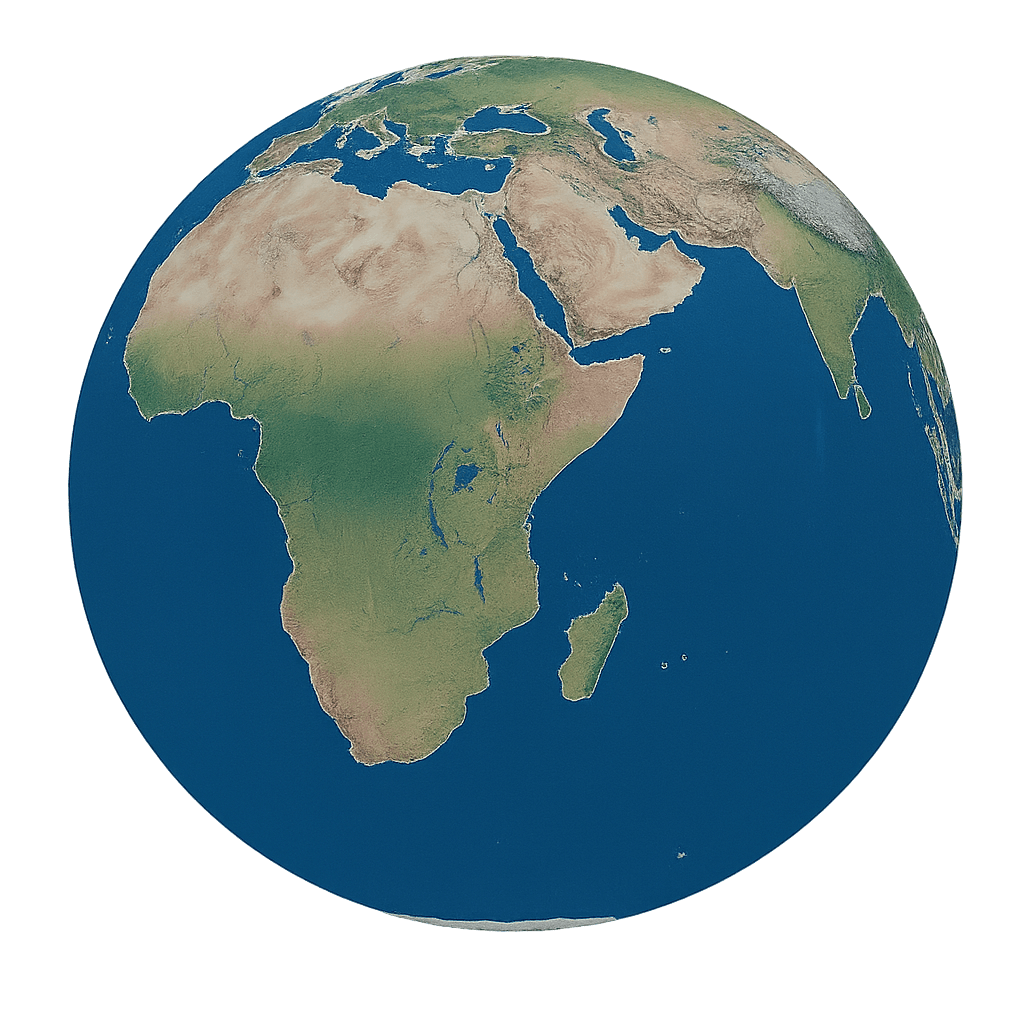
After the dismantling of USAID, the Food for Peace program supports only seven countries, down from 18 in 2023, and excludes countries with some of the most critical humanitarian aid needs, like Sudan, South Sudan, Yemen, and Somalia.
For Washington growers, the FFP conversation may appear to come down to a single question: does the food aid list include the countries that rely on Washington’s soft white wheat? But the stakes extend beyond market access to whether a family in a fragile country has food to eat tonight. This connection was a focus in meetings, telling staffers that reinstating countries like Yemen to the FFP list would serve both people in need of food and Washington wheat growers. Making that case also means addressing the concerns staffers raised directly.
On USDA’s capacity, it’s important to point out that commodity purchasing, storage, and transport — the work of moving wheat from a Washington farm to a ship — is something USDA already manages at scale. Concerning on-the-ground delivery, distribution has long been handled by partners like WFP rather than USAID exclusively, and those partnerships remain part of FFP today. When a country’s need for aid is rooted in conflict limiting their ability to grow or access food, for those facing hunger, the source of the food matters less than the nutrition it provides.
As the House and Senate work to reconcile their farm bills, the final shape of Food for Peace remains unsettled. WGC, USW, and NDGGA will keep pressing to codify the transfer of FFP from State oversight to USDA and for alignment on the country list as the process moves forward.
Legal Disclaimer:
EIN Presswire provides this news content "as is" without warranty of any kind. We do not accept any responsibility or liability for the accuracy, content, images, videos, licenses, completeness, legality, or reliability of the information contained in this article. If you have any complaints or copyright issues related to this article, kindly contact the author above.
